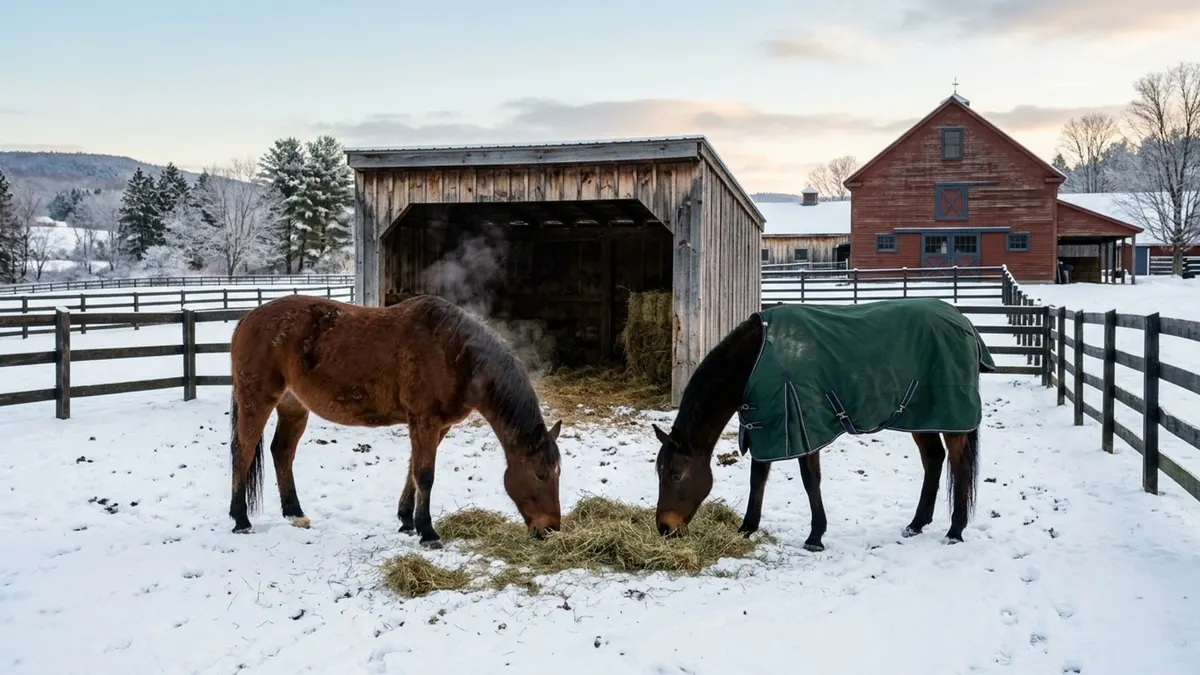
Best Round Bale Feeders for Horses (2026): Horse-Rated Rings and Nets
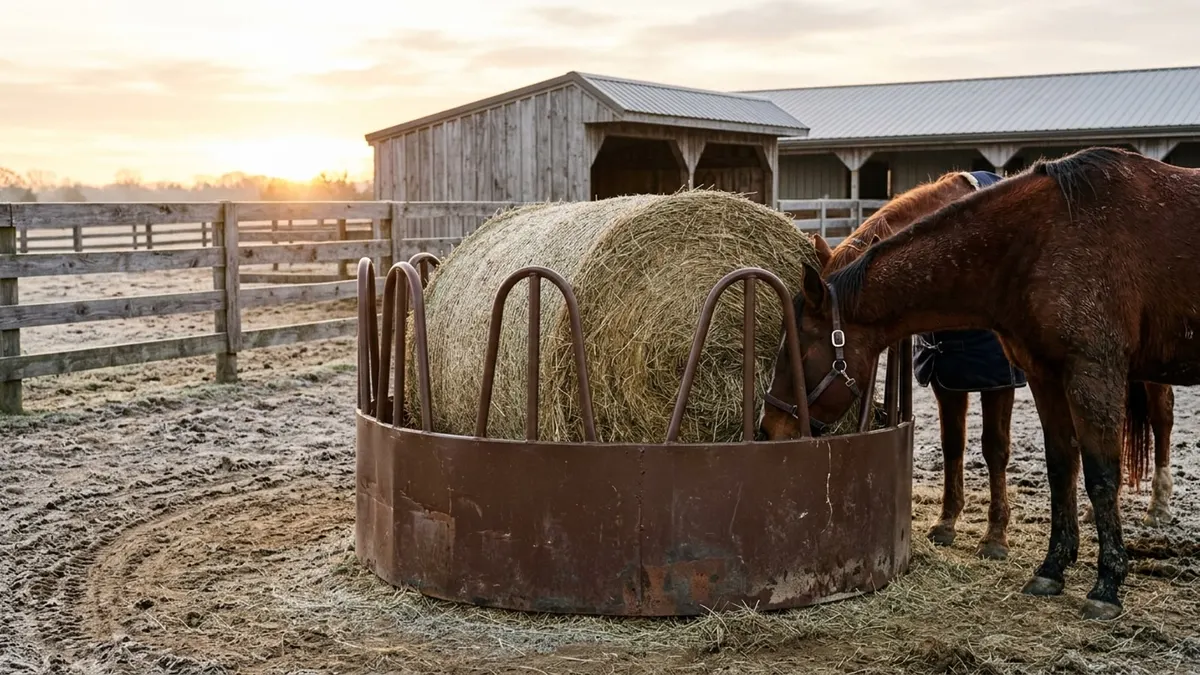
Four horse-rated round bale feeders from Tarter, Behlen Country and Priefert, plus a net that cuts waste further, with the Minnesota study's waste and payback numbers.
30 guides in total.
30 guides· Page 2 of 2
Four horse-rated round bale feeders from Tarter, Behlen Country and Priefert, plus a net that cuts waste further, with the Minnesota study's waste and payback numbers.
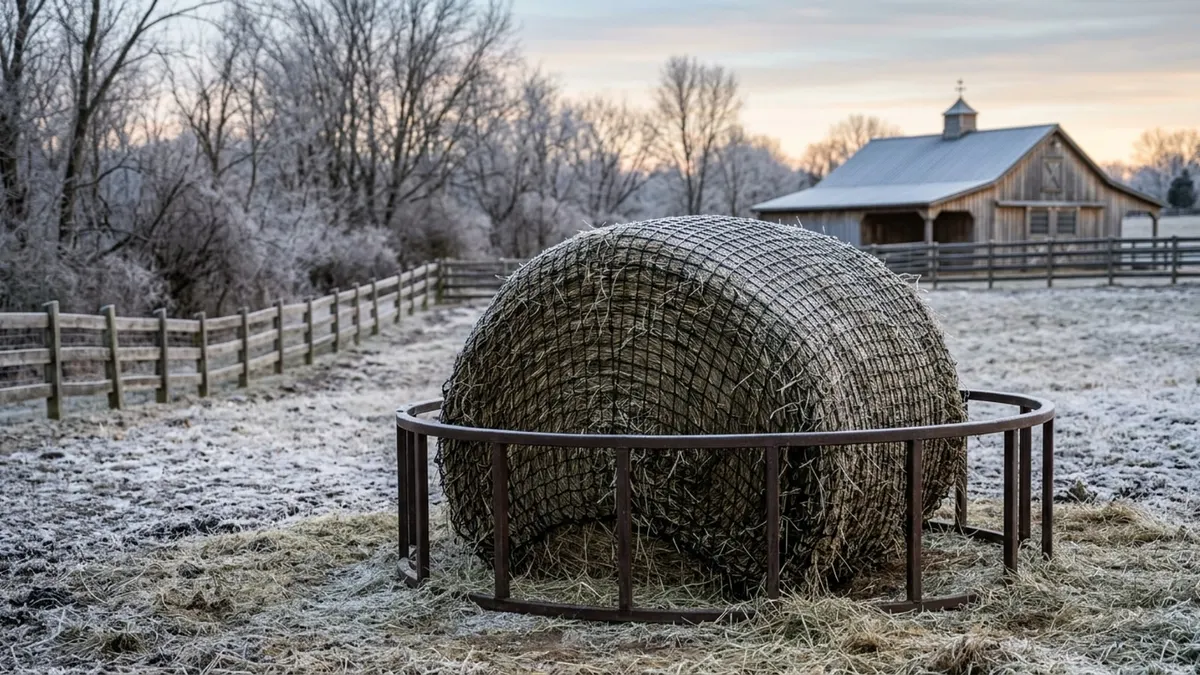
Five round bale nets, from a hand-tied 6 ft Hay Chix to a 4 ft knotless net, sized by bale and by hole, with how to use them with a ring.
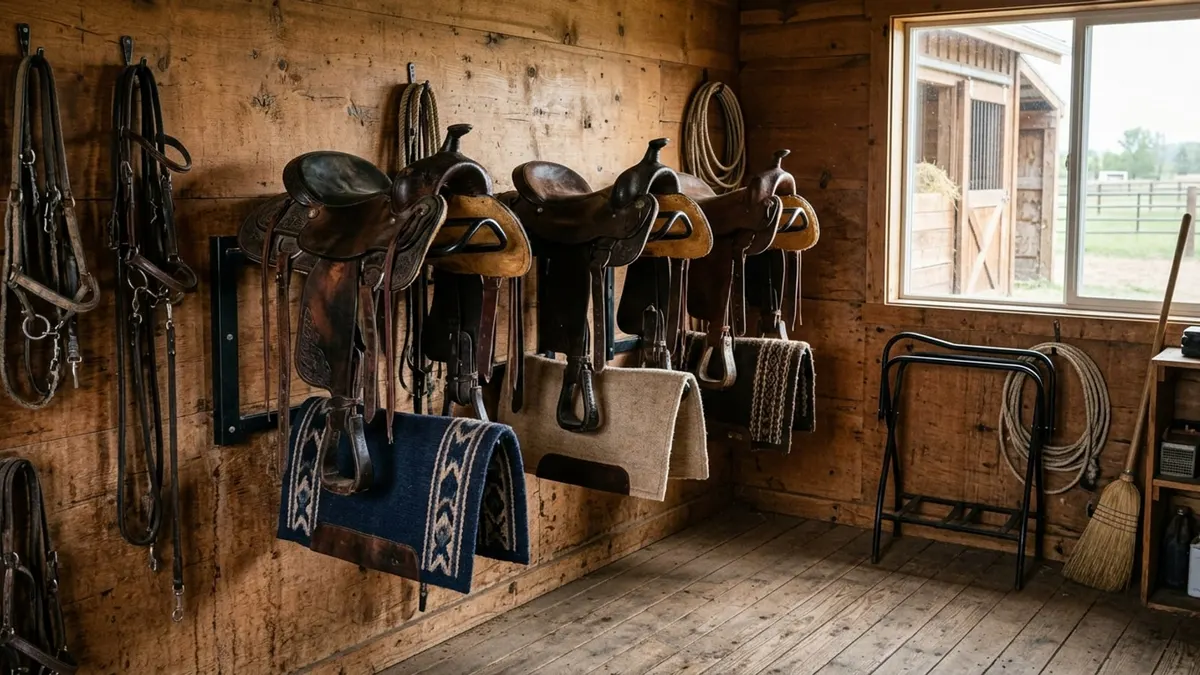
Five ways to get saddles off the floor, from a fold-flat stand for the trailer to a rotating three-arm tower and an eight-rack wall set, with the makers' load ratings where they publish one.
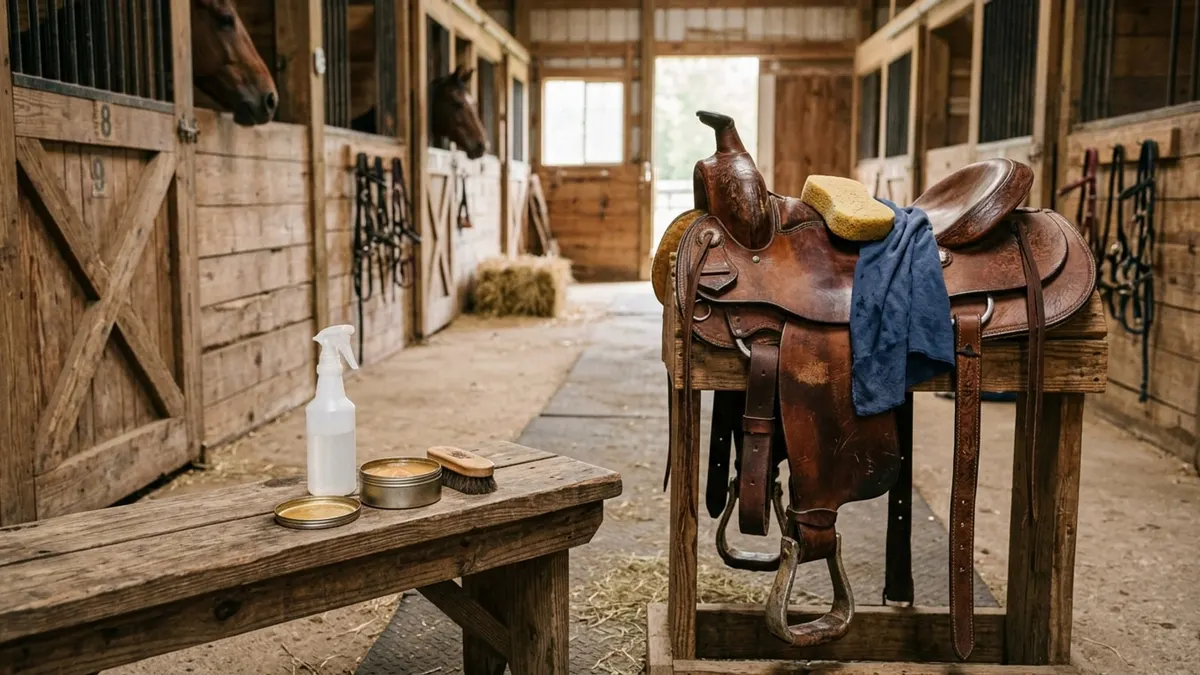
Five ways to clean saddles and bridles, from Farnam's glycerine spray to Fiebing's paste and Lexol's two-step kit, with the extension rules for oil, humidity and suede.
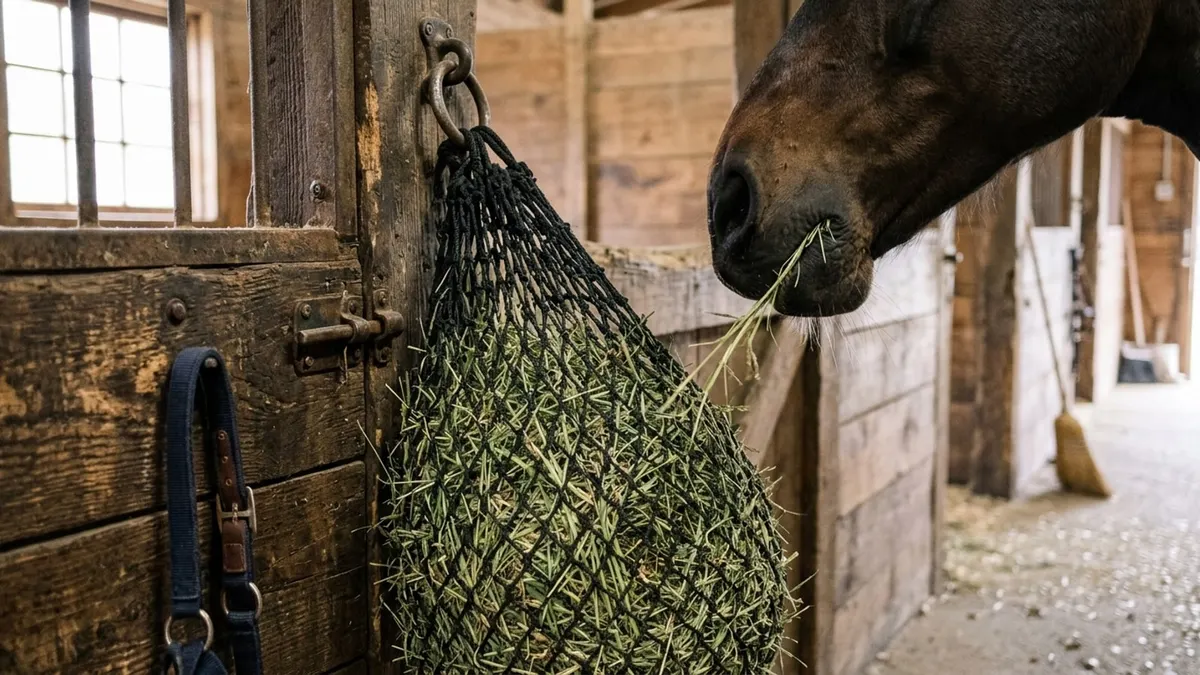
Five slow feeders, from a half-bale knotted net to a ground-level corner feeder, picked by hole size and capacity, with what the Minnesota hay net study found.
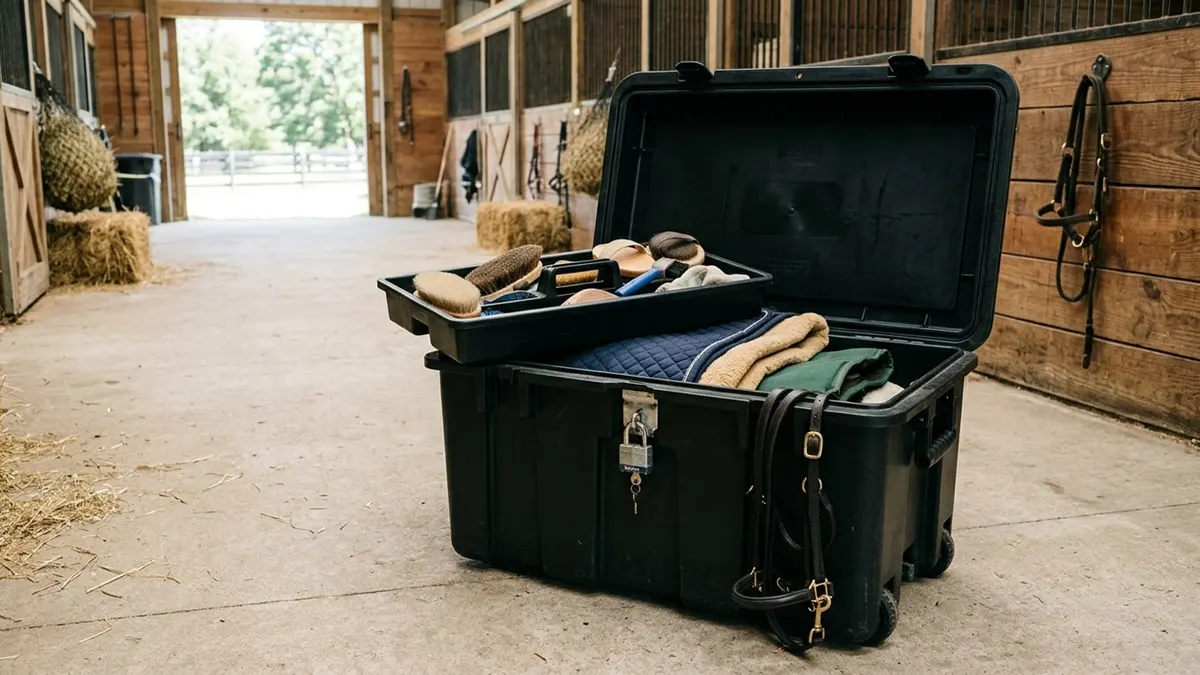
Four ways to lock up tack, from a poly trunk sized for an English saddle to Weaver's rolling aluminum show boxes, with the makers' own sizes, trays and list prices.
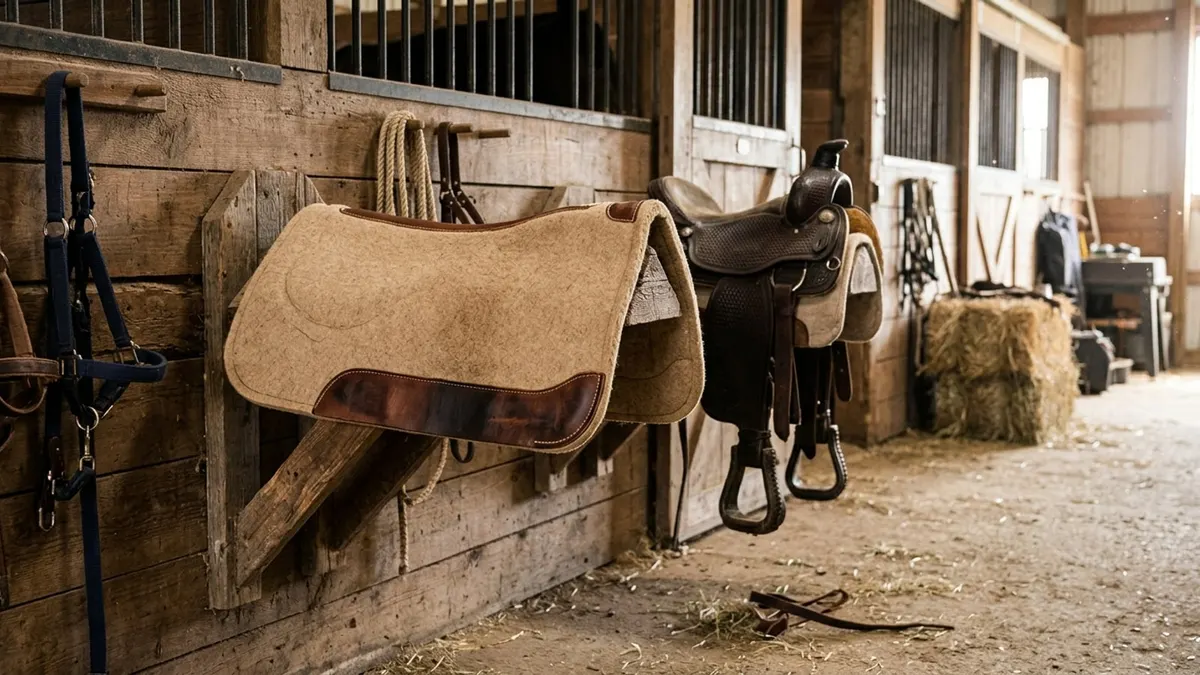
Six western pads from everyday wool felt to a built-up correction pad, compared on the makers' sizes, thickness and materials, plus the extension rule of thumb for withers clearance.
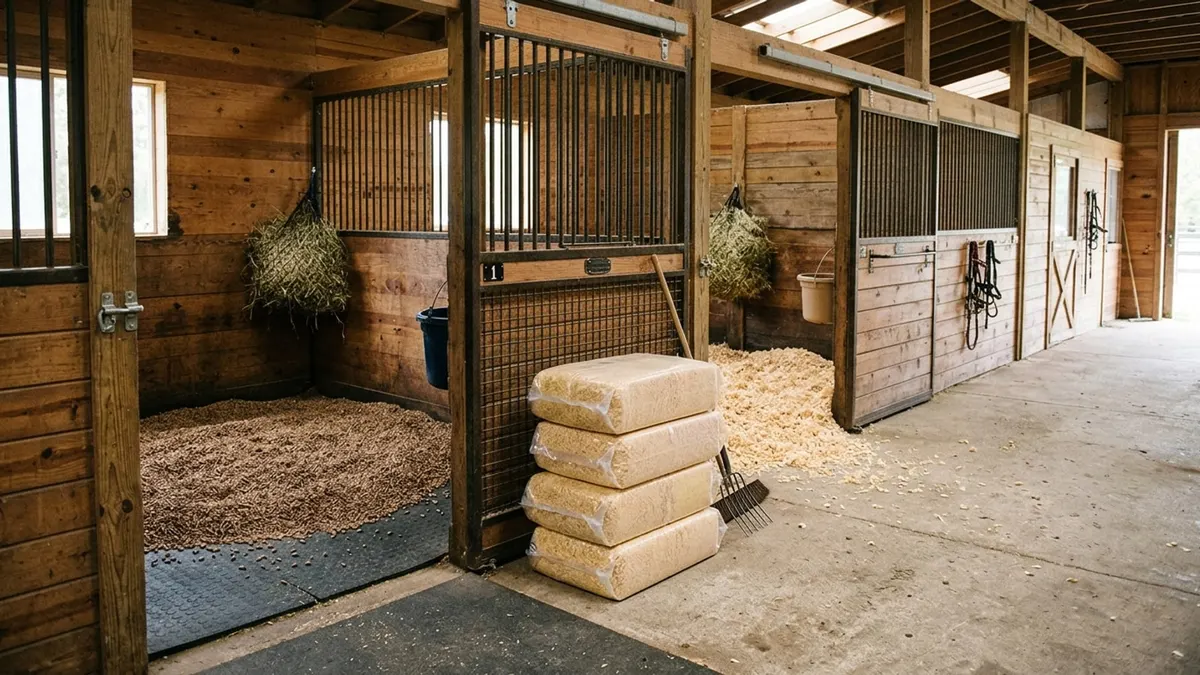
Pellets and shavings compared on absorbency, dust, stall waste and weekly cost, with the arithmetic shown and the break-even price that decides it.
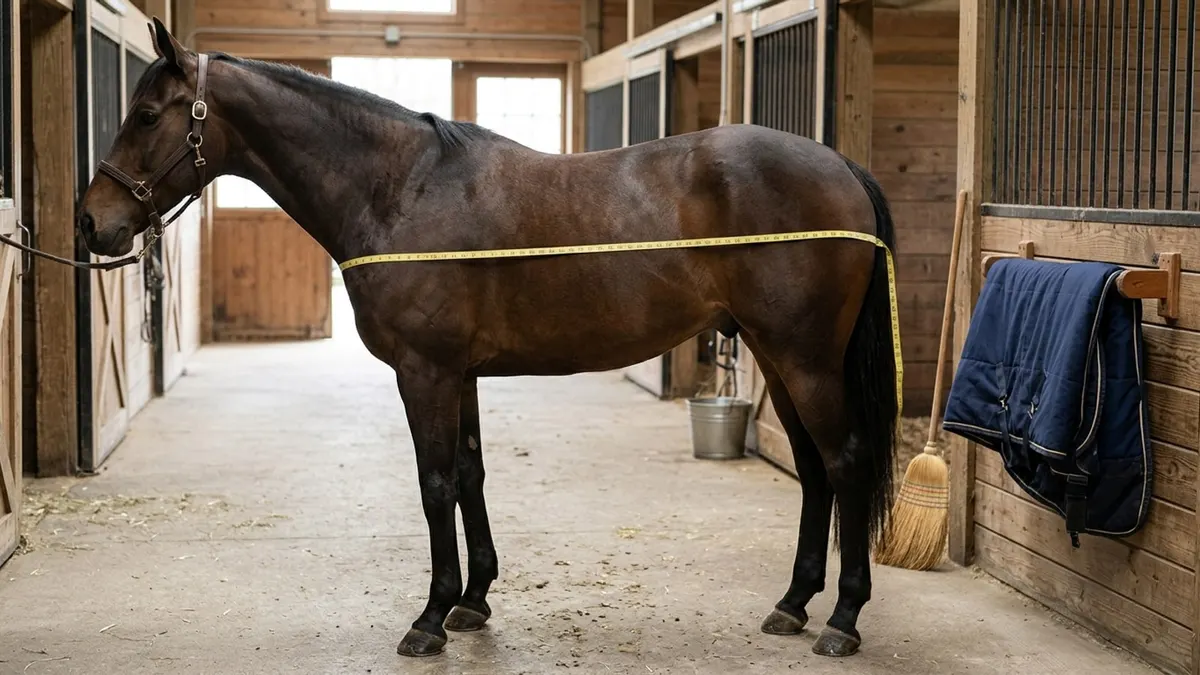
One tape measurement from the center of the chest to the tail is your horse's blanket size. Enter it and see the size to order.
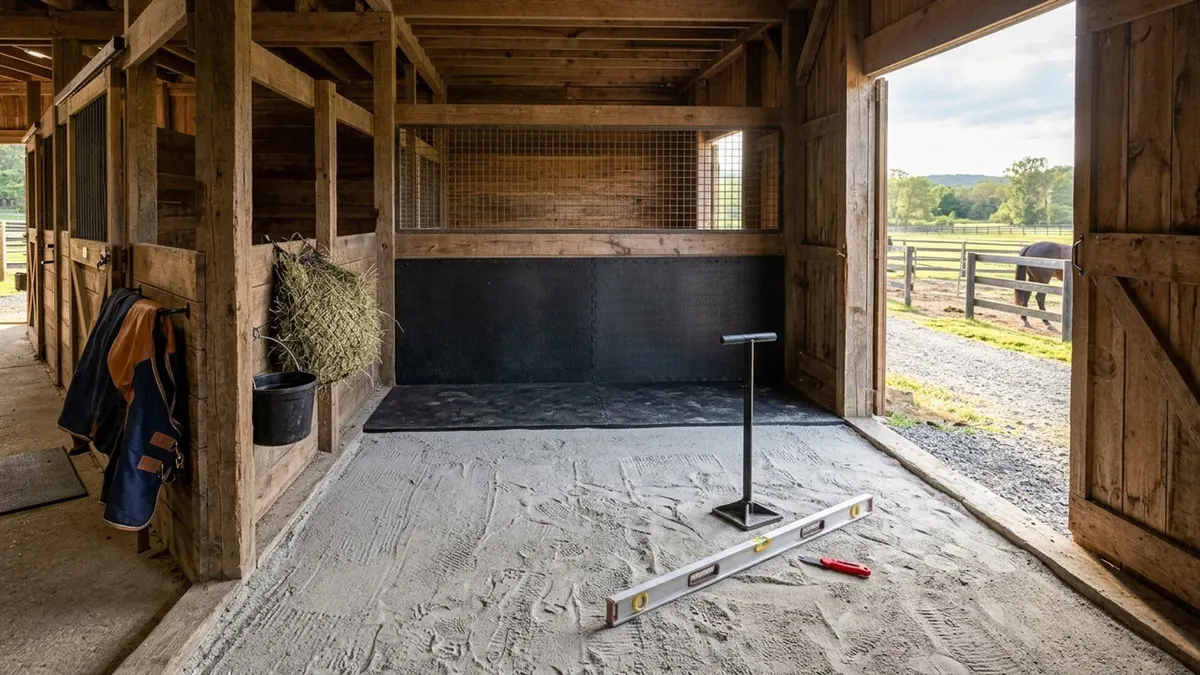
Build the base Penn State Extension describes, choose mats or tiles, and count exactly how many a 10 x 10, 10 x 12, 12 x 12 or 12 x 14 stall needs.
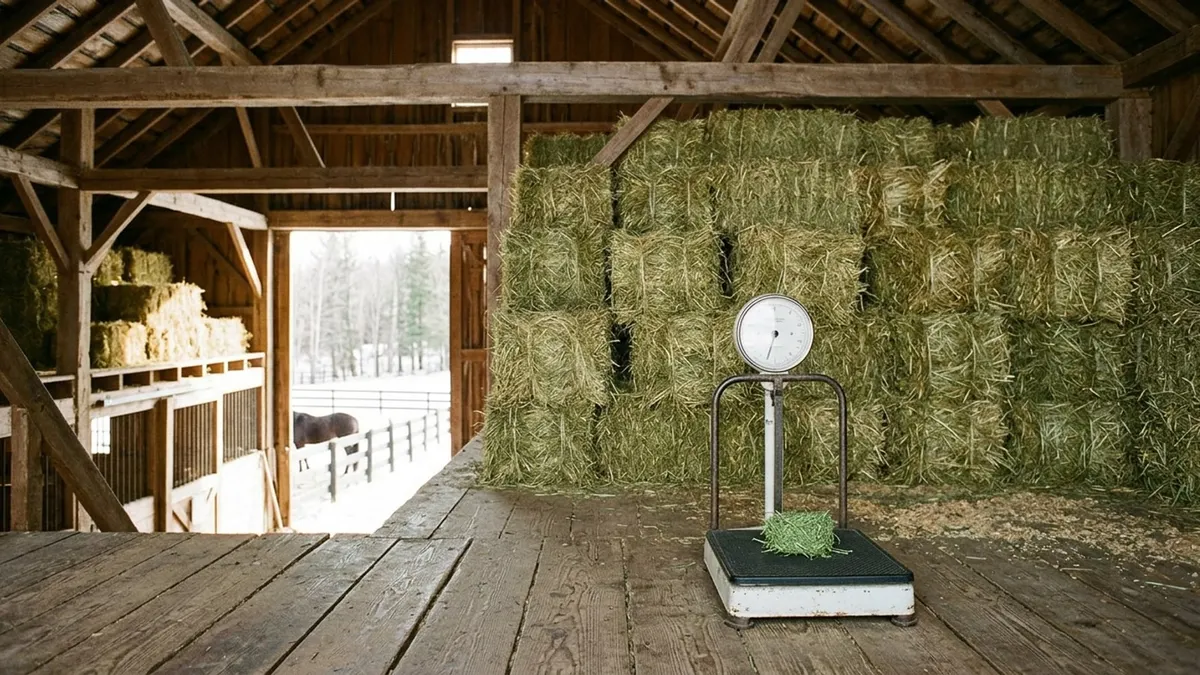
Enter your horse's weight and the days you feed hay and get pounds per day, pounds for the winter with waste, and the bales to buy.
Most full-coated horses with shelter and hay do not need a blanket until temperatures drop below about 25°F. Clipped, thin, old, wet or unsheltered horses are the exceptions.